We’ve updated sign‑in for customers with an online account. Account holders may see a quick, one‑off setup step.
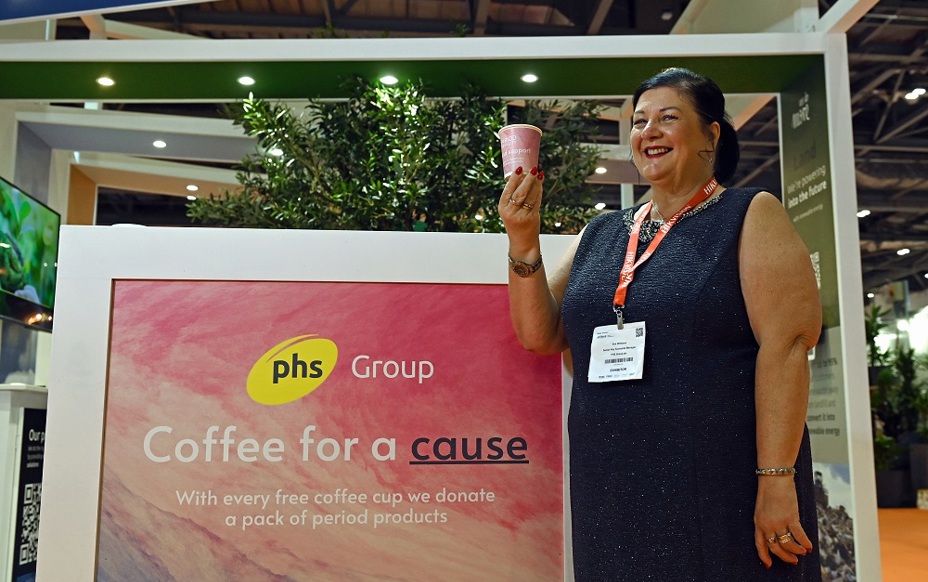
Creating period equality for all!
Creating period equality addresses the fundamental right of individuals to access period products and information, thereby reducing stigma, promoting equality, and ensuring no one goes without because of their period.
At phs Group, our mission is to create period equality for everyone. Understanding that periods are a natural aspect of life, we firmly believe that access to period products is a right, not a privilege. This belief drives our commitment to ensuring that schools, colleges, universities, workplaces, and public facilities are equipped with the necessary resources to support everyone who menstruates.
The scale of the problem in the UK
Pioneering change
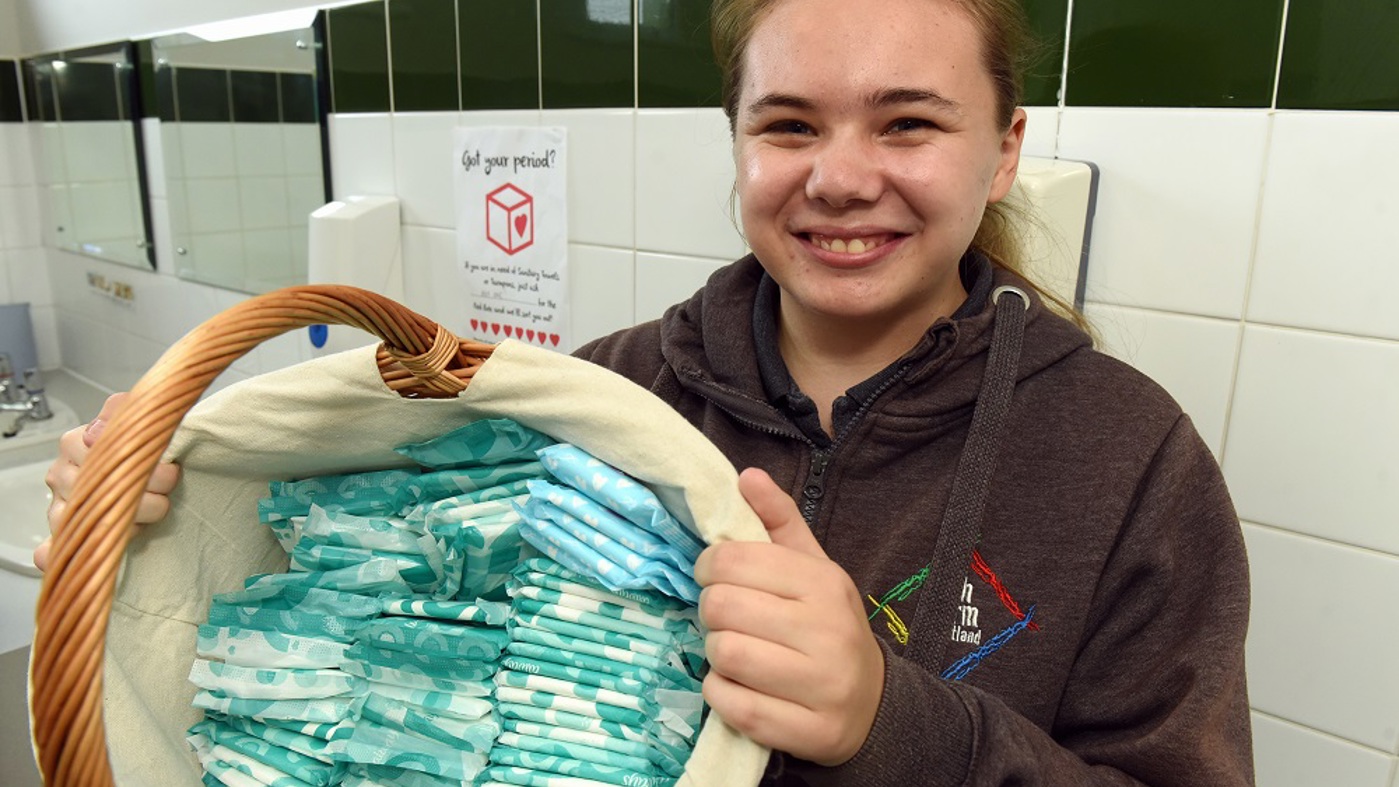
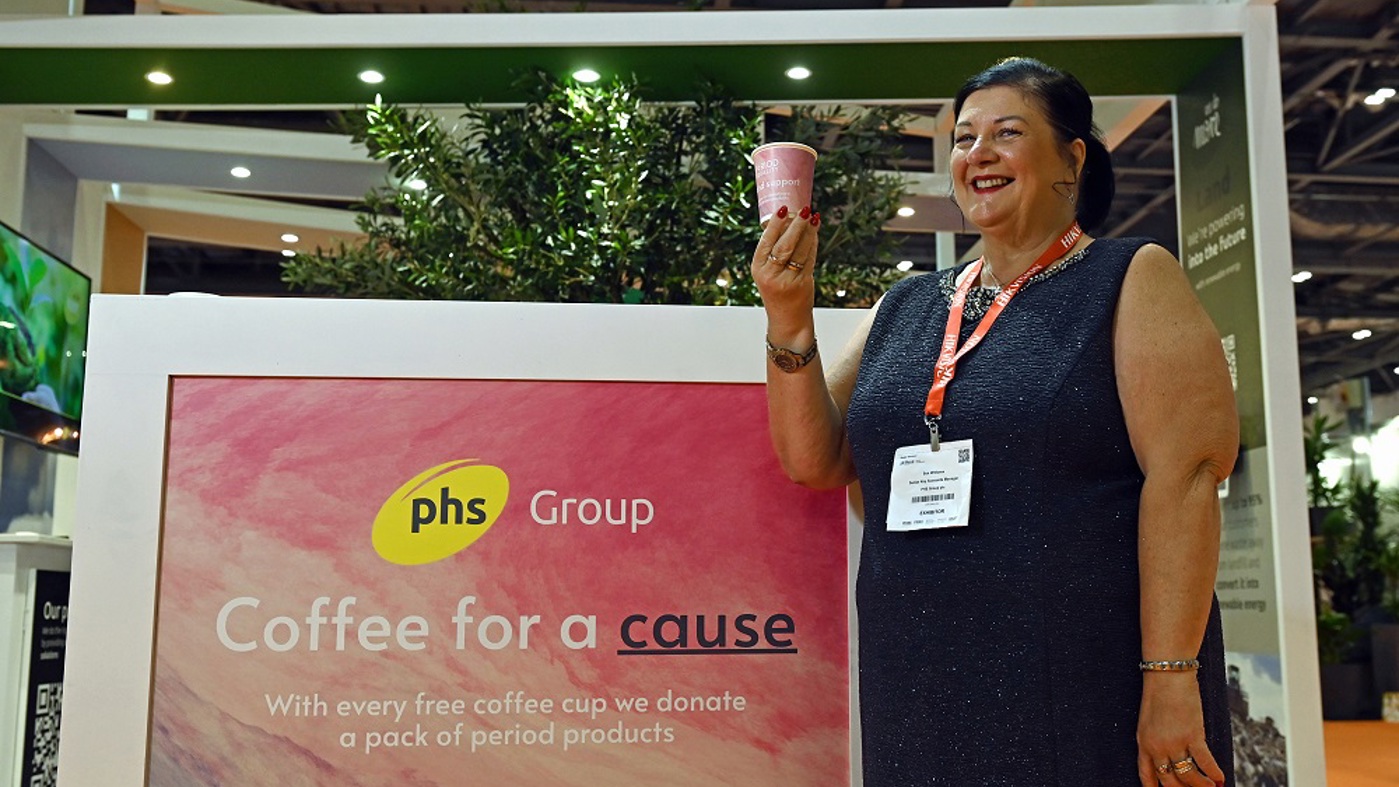
phs is leading the way in creating period equality in the UK, including practical period poverty solutions in the UK. We support the UK government and local authorities in providing free period products to learners, make positive waves in the world of sports, and aid businesses in establishing period equality within the workplace.
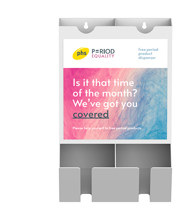
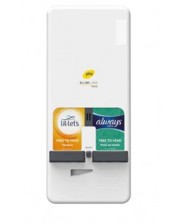
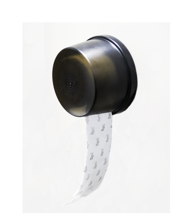
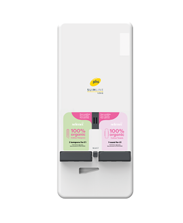
We developed a free-vend period product machine for washrooms, designed in consultation with schools and local authorities to give discreet, dignified access across any business or educational setting.
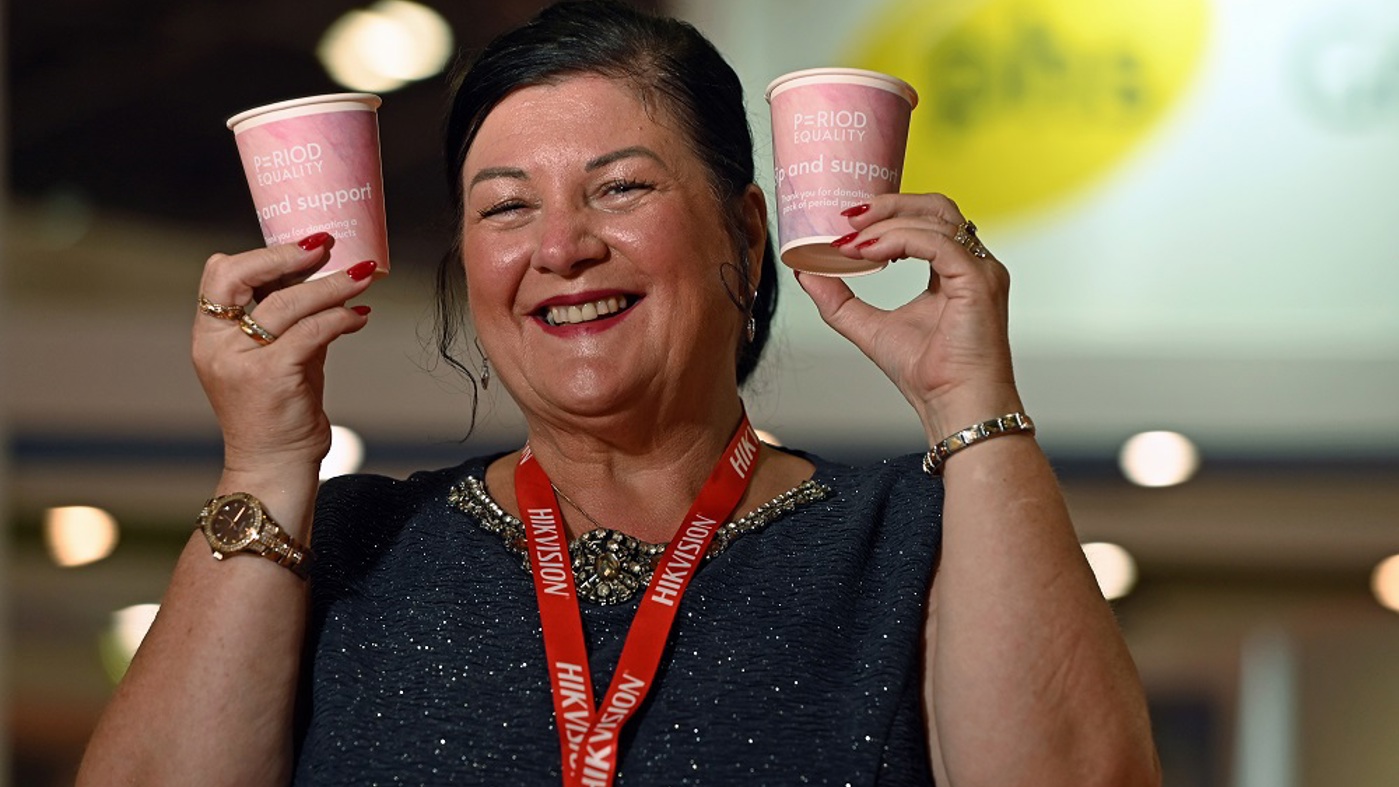
In our pursuit of creating change, we play a significant role in influencing policy and advancing developments through our involvement in the Period Poverty Taskforce in collaboration with the UK government. Additionally, we continue to lend our support to the Period Equality Taskforce in conjunction with the local authority of Blaenau Gwent, demonstrating our ongoing dedication to creating equality in the washroom.
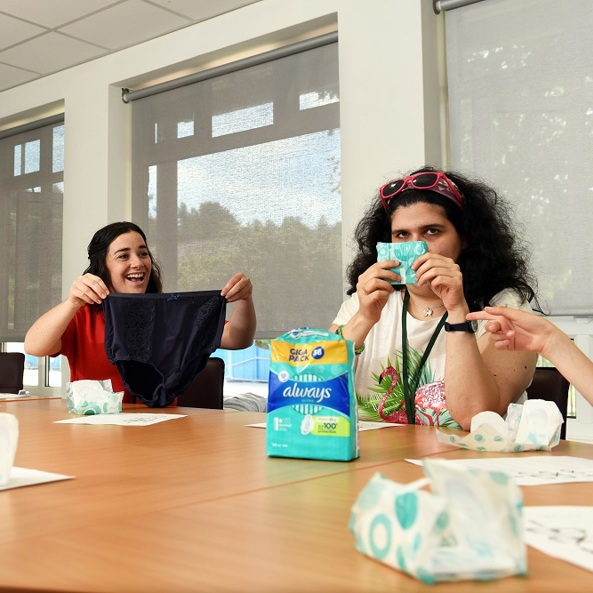
phs period equality in numbers
The connection between menstrual health and gender equality
Menstrual health is intrinsically linked to gender equality in both professional and educational settings. When people lack access to essential products, they’re often forced to miss school or work, which creates a cycle of disadvantage. By providing free and easily accessible period products, your organisation can take a proactive step towards closing the gender pay gap and improving educational attainment.
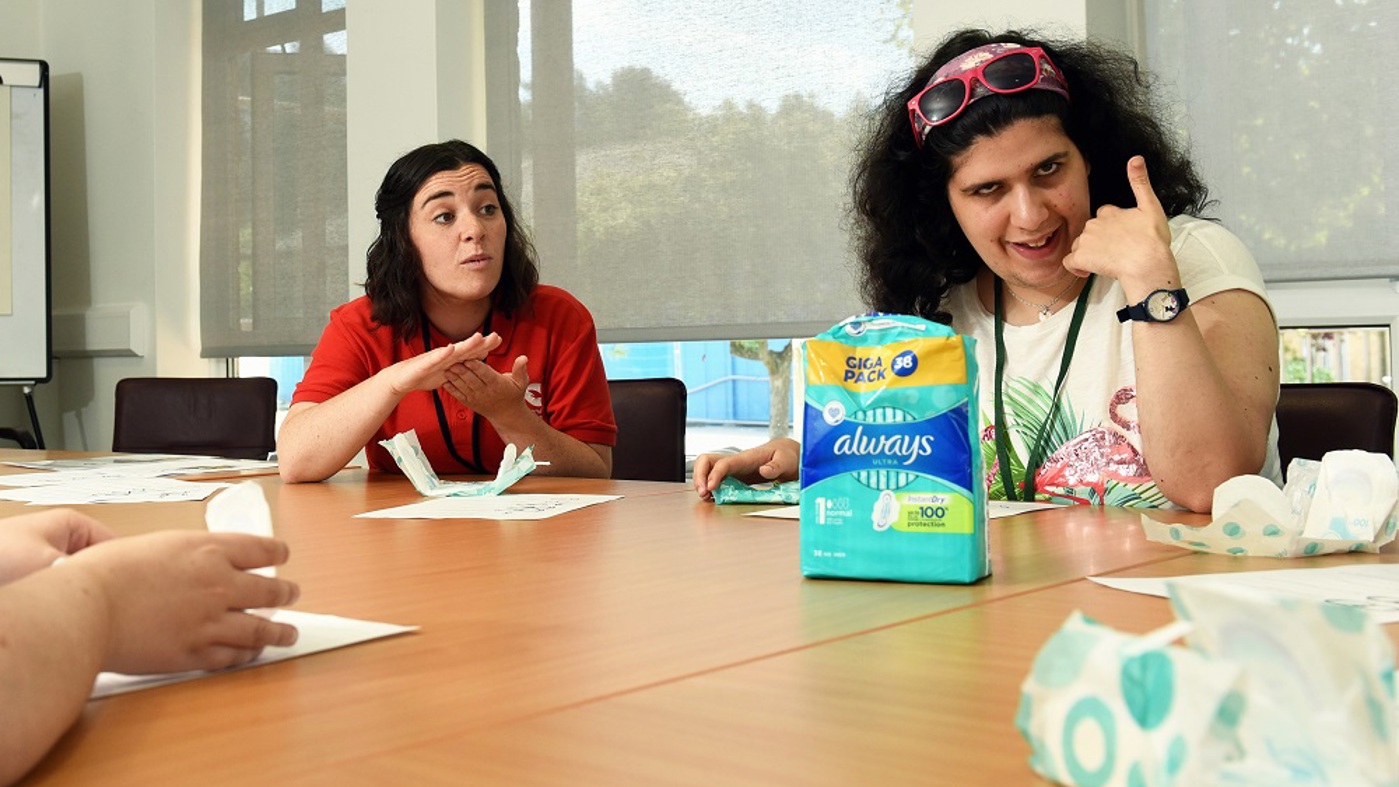
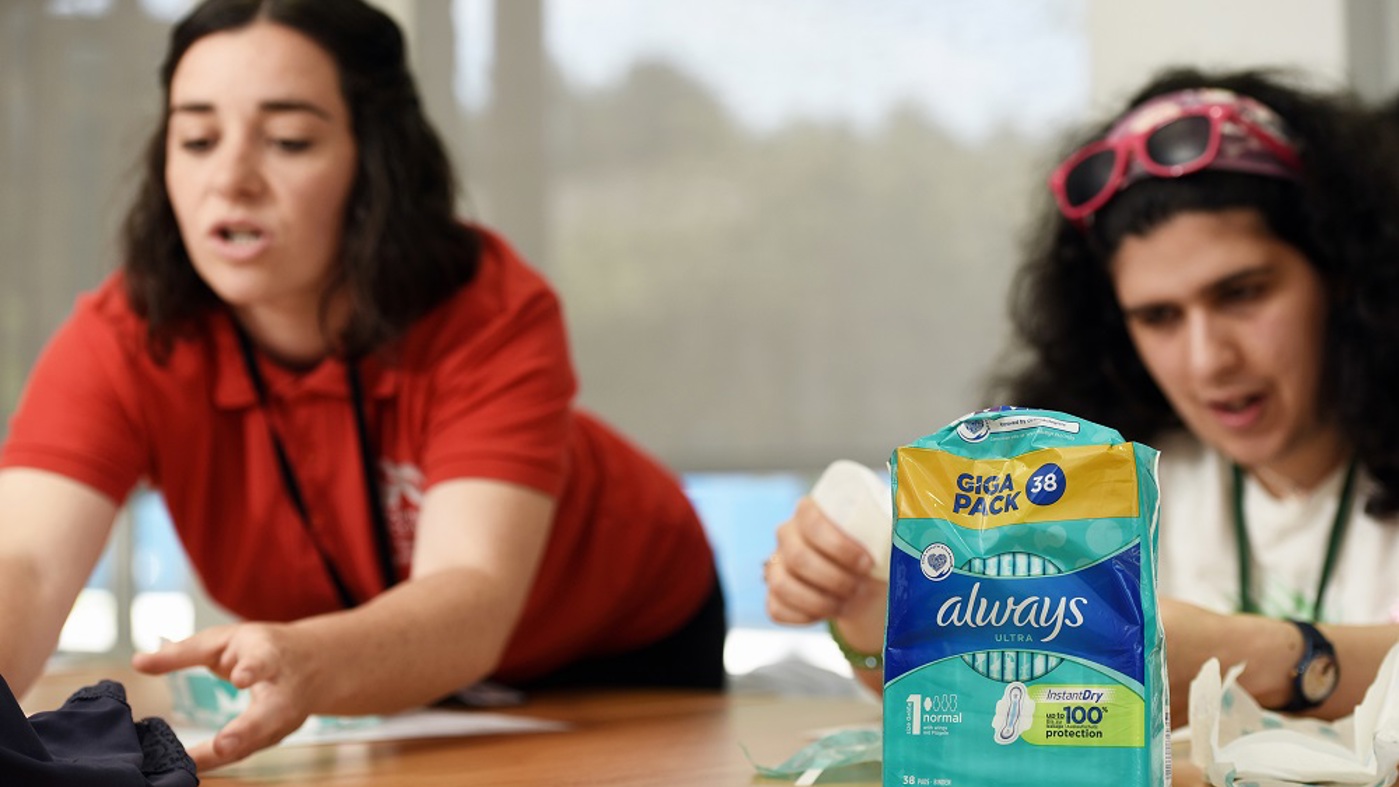
The impact of period stigma on women and everyone who menstruates can be significant, making people feel embarrassed or unsupported. Menstrual health education initiatives can instead help people to understand periods better and feel more comfortable in their experiences.
Where inequality is most visible
Access to period products and support is not equal. Certain groups face compounded barriers combining financial hardship, reduced autonomy and marginalisation that make access to products significantly harder, whether they are in employment or not.
People experiencing homelessness
Non-governmental organisation (NGO) charities identify this as a high-incidence group for period poverty.
Lone parents in work
Lone parents may naturally be more financially stretched meaning they can't afford products. Employment alone doesn't guarantee security.
Victims of economic abuse
Financial control by a partner restricts access even for working women.
Those in active addiction
Women experiencing addiction can be among some of the most affected, regardless of employment status.
Low-paid & precarious workers
Women in part-time, seasonal or minimum wage roles face higher financial pressure. Without free products at work, every period is a cost decision.
Teenage girls & students
For many girls, the biggest barrier isn't just cost, it's not knowing who to turn to. Fear of embarrassment, judgment from peers and a culture of silence around periods means young women often go without rather than ask for help.
The scale of the problem in education
Why should you create period equality?
Here are 6 reasons you should create period equality wherever you are. Understanding the challenges faced in achieving period equality, from cost and access to stigma and education, can help organisations provide the right support.
Gender Equality
Equal access to period products supports gender equality, addressing the need needs of those who menstruate, whilst breaking down barriers.
Improve Health and Hygiene
Access to period products and proper disposal methods is crucial for the health and hygiene of those who menstruate. It reduces the risk of infections and promotes a healthier environment for everyone.
Enhance Attendance
Whether you’re a school or an office, the lack of access to period products can lead to absenteeism, impacting which in turn affects performance and productivity. Providing period products improves attendance and engagement.
Reduce Stigma and Promotes Dignity
Openly addressing menstrual needs and providing free period products helps to normalise periods, and reduce the stigma associated with them. Free period products promote a culture of dignity and respect.
Financial Support
Alleviating the financial burden on individuals who might otherwise struggle to afford period products can lead to improved culture, and employee longevity.
Social Value
Help build a more inclusive, informed society. To support, make periods easier to discuss and products easier to access. Open conversations with everyone, including boys and men, help remove stigma and create a world where periods are no longer taboo.
From education to working life
Menstruation lasts for roughly 40 years. Period poverty doesn't end at the school gates, it follows into college, into work, and across entire adult lives.
The health, economic and social consequences of inadequate access to period products affect careers, productivity, mental wellbeing and social participation.
Many progressive, equality-conscious companies across Ireland are already providing period products in their offices. The stigma and the cost do not end when employment starts.

The scale of the problem in the workplace
You can make a difference in your workplace
Whether you employ five people or five thousand, there are practical steps you can take today with no legislation required.
Provide free period products
in all staff and visitor washrooms, discreetly and without any need to ask.
Install a managed free-vend dispenser service
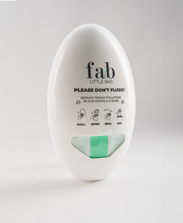
including the correct bins to ensure consistent, hygienic and reliable supply of products and dignified disposal.
Include period dignity
in your workplace wellbeing, equality and inclusion policies.
Raise awareness internally
- normalise conversations about periods among managers and staff.
Train HR teams
to handle period-related absence or discomfort with sensitivity and without stigma.
Encourage or match-fund staff donations
to period poverty charities, fundraising and food banks.
Extend provision
to any public-facing spaces, reception areas or shared buildings.
Commit publicly to period equality
a visible statement sends a powerful message to customers and employees.

The health cost of going without
Period inequality isn’t just about access - it has real health impacts. When people can’t access adequate period products, it can directly impact their physical and mental health. These challenges exist across both education and the workplace.
Infection & toxic shock
Inability to change tampons at regular intervals raises the risk of bacterial infection and toxic shock syndrome (TSS).
Physical discomfort
Use of improvised alternatives such as strips of cloth, socks, tissue causes chafing and increased infection risk.
Leakage & embarrassment
Infrequent product changing causes leakage, driving embarrassment, self-isolation and absenteeism from work, education and social life.
Mental health
Self-exclusion from work, sport and social activities during menstruation causes lasting marginalisation, shame and psychological harm.
Undiagnosed conditions
Period stigma delays open conversation about menstrual health, slowing diagnosis of serious gynaecological conditions like endometriosis.
Pain & lost productivity
84% of women experience period pain and 55% need pain relief. For low-income women, even over-the-counter medication is a cost decision.

Click here to view our Period Equality Resource Hub